HCP
Context Engineering Protocol
Enterprise
Enterprise Solutions
Pricing
Plans & Pricing
Open Source
Open Source Projects
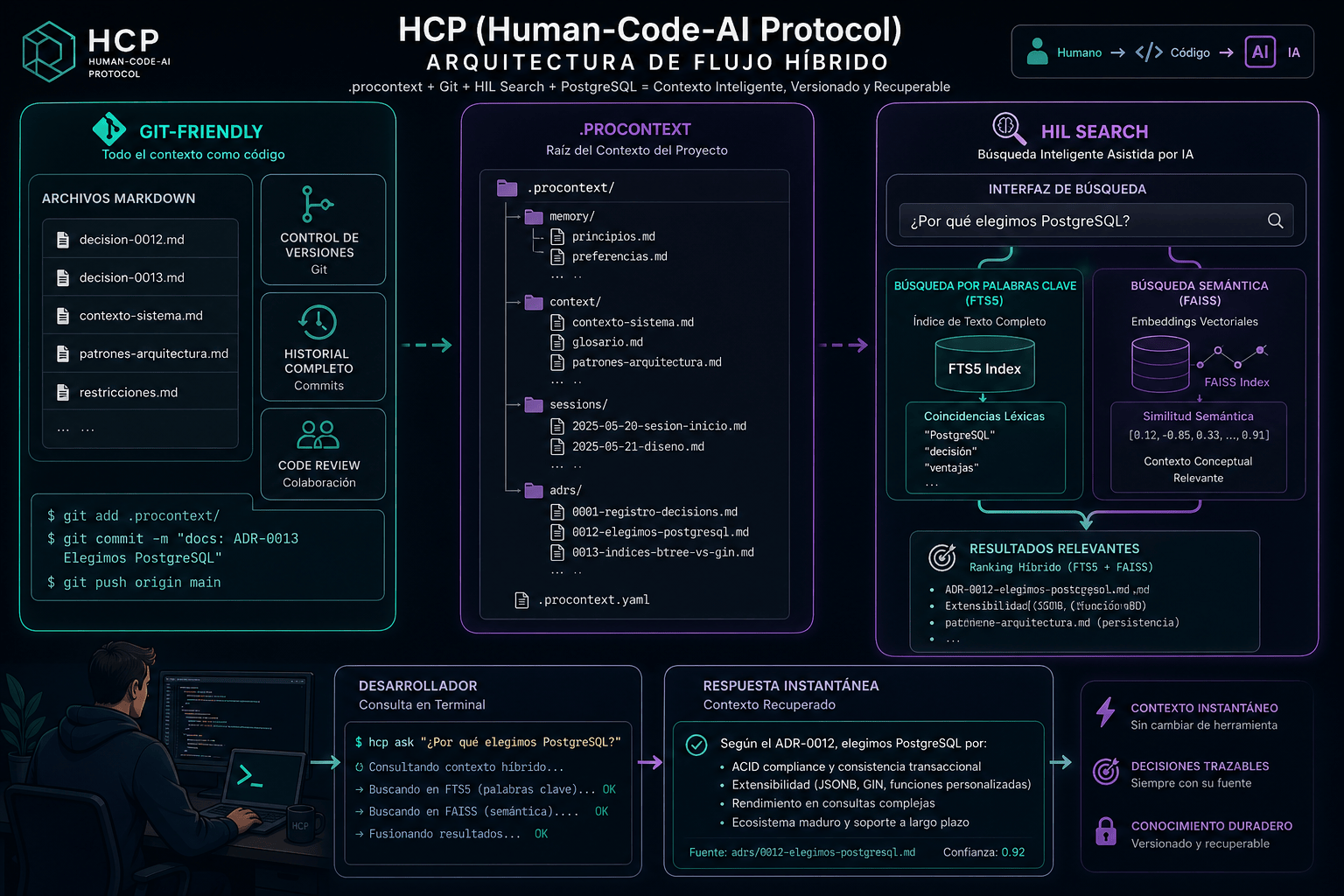
Git-Native Context Management for AI Projects
HCP is an open protocol for managing AI context in software projects using Git. Treat context as versionable, structured code. Validated by SPDD industry frameworks.
Solve the "context drift" problem by treating AI context as versionable code
HCP is empirically backed by SPDD (Structured Prompt-Driven Development) frameworks
HCP converge con las metodologías más avanzadas de desarrollo de software: desde Knowledge-Driven Development (KDD) hasta Specification-Driven Development (SDD) y Structured Prompt-Driven Development (SPDD) de Martin Fowler.
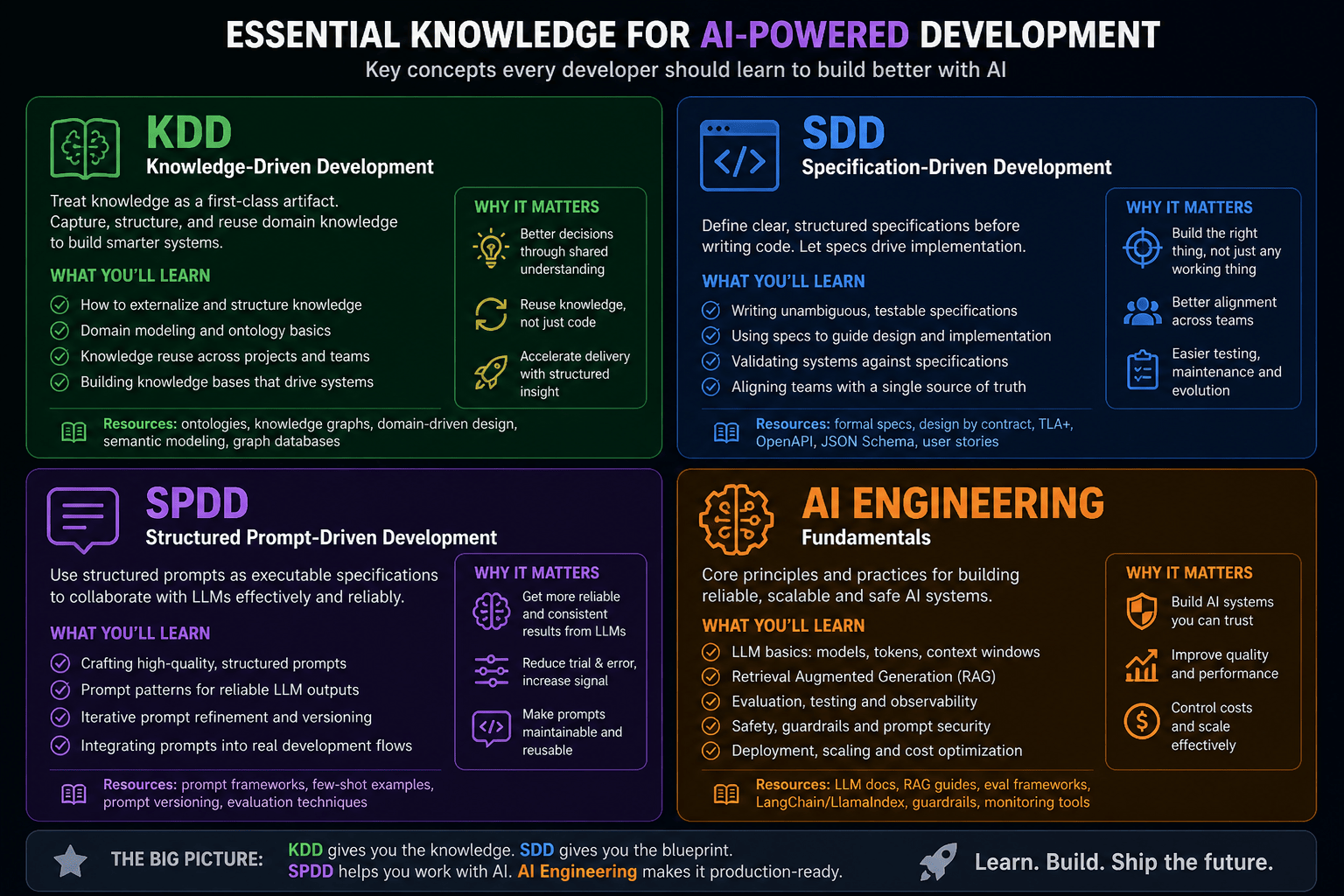
KDD → SDD → SPDD Convergence
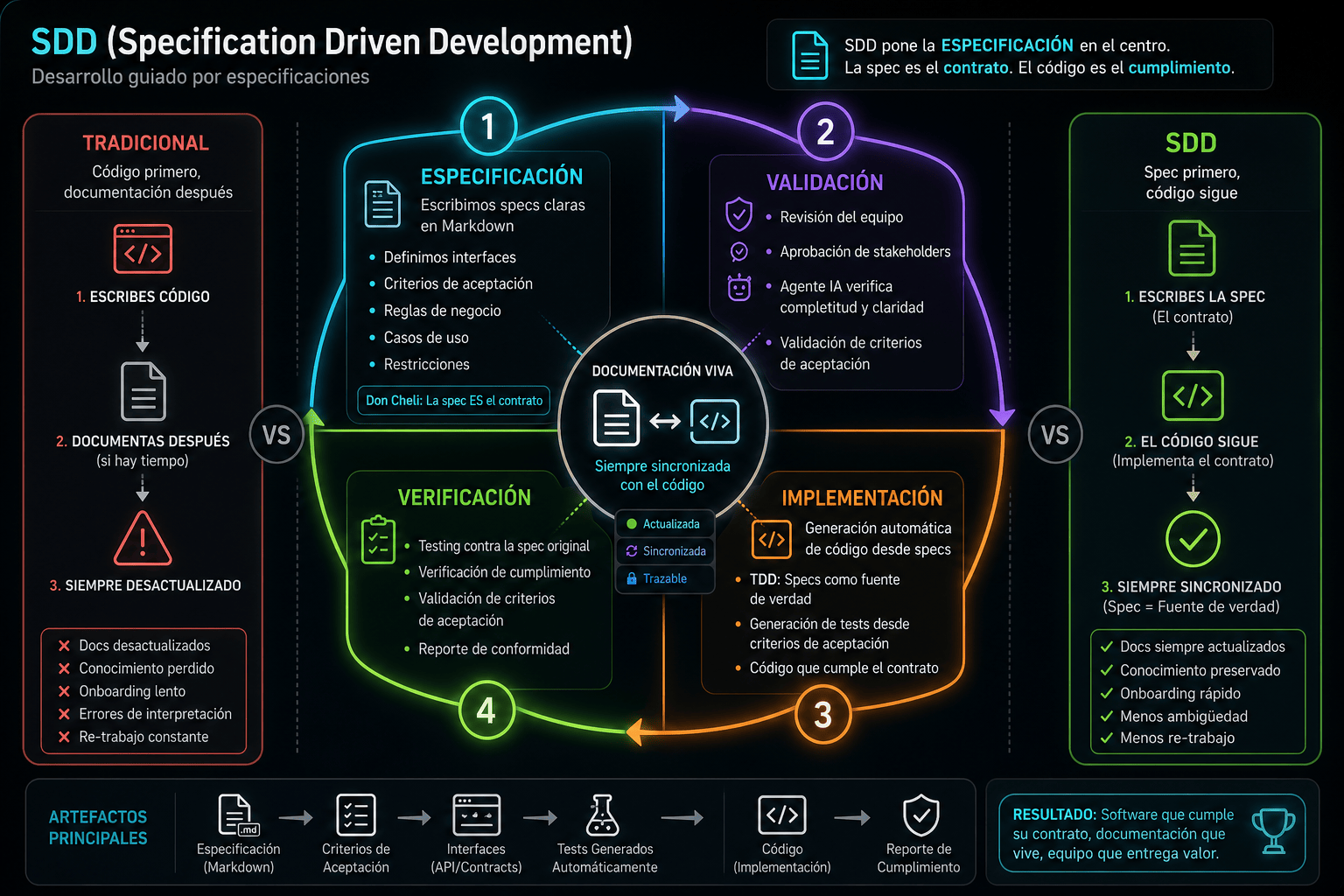
Specification-Driven Development (SDD)
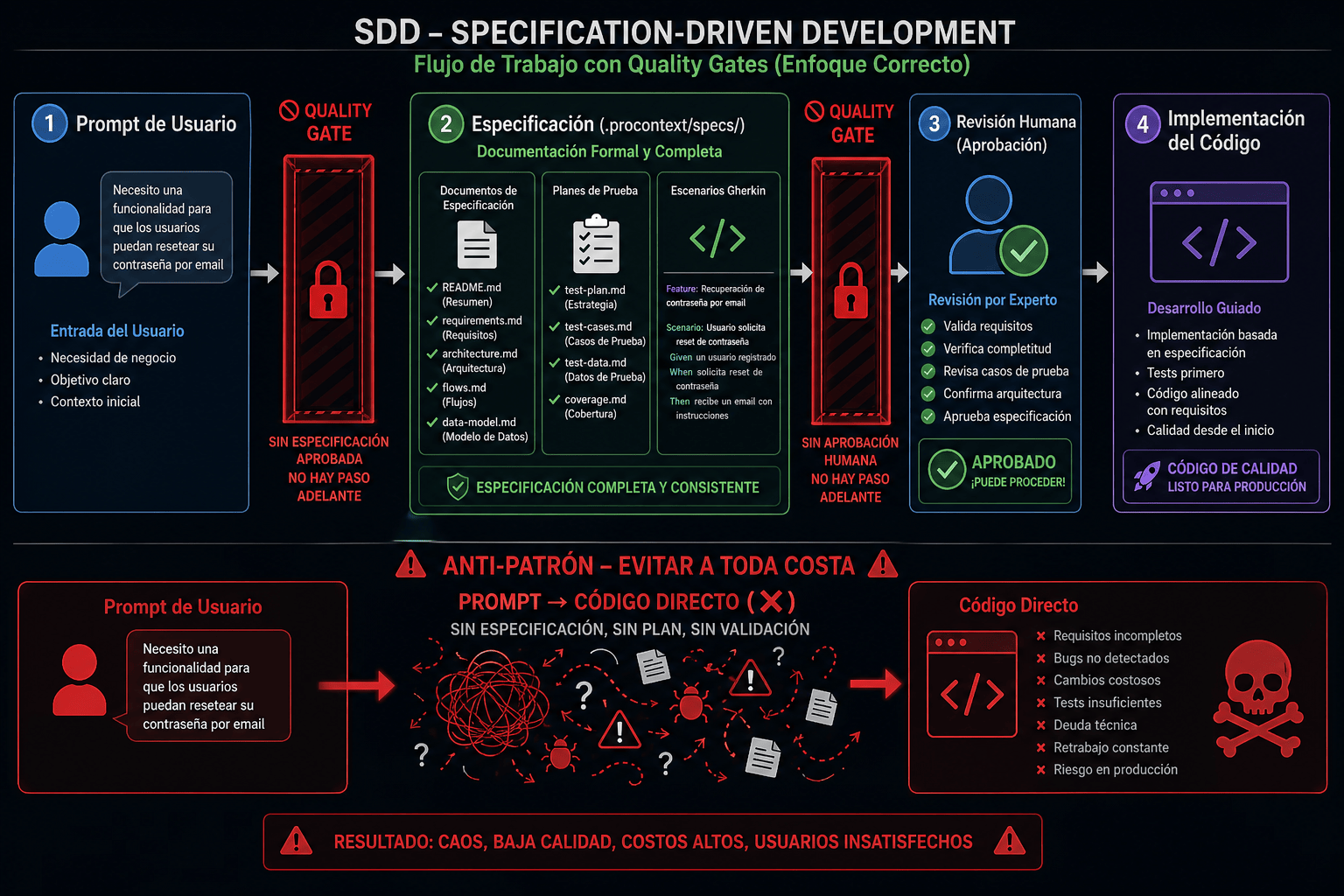
SDD Quality Gates Workflow
Click images to enlarge · Multiple perspectives converge in Context Engineering
"Prompts must transition from informal conversational text into structured, versionable, and testable engineering artifacts, deeply integrated with the software lifecycle."— Formal SPDD (Structured Prompt-Driven Development) Papers
HCP extends the academic SPDD foundation by adding robust context management, predictable lifecycle states (RPI+C), and the strict VERIFY workflow required for enterprise compliance.
Our architecture provides the verifiable infrastructure necessary to meet the standards of the EU AI Act.
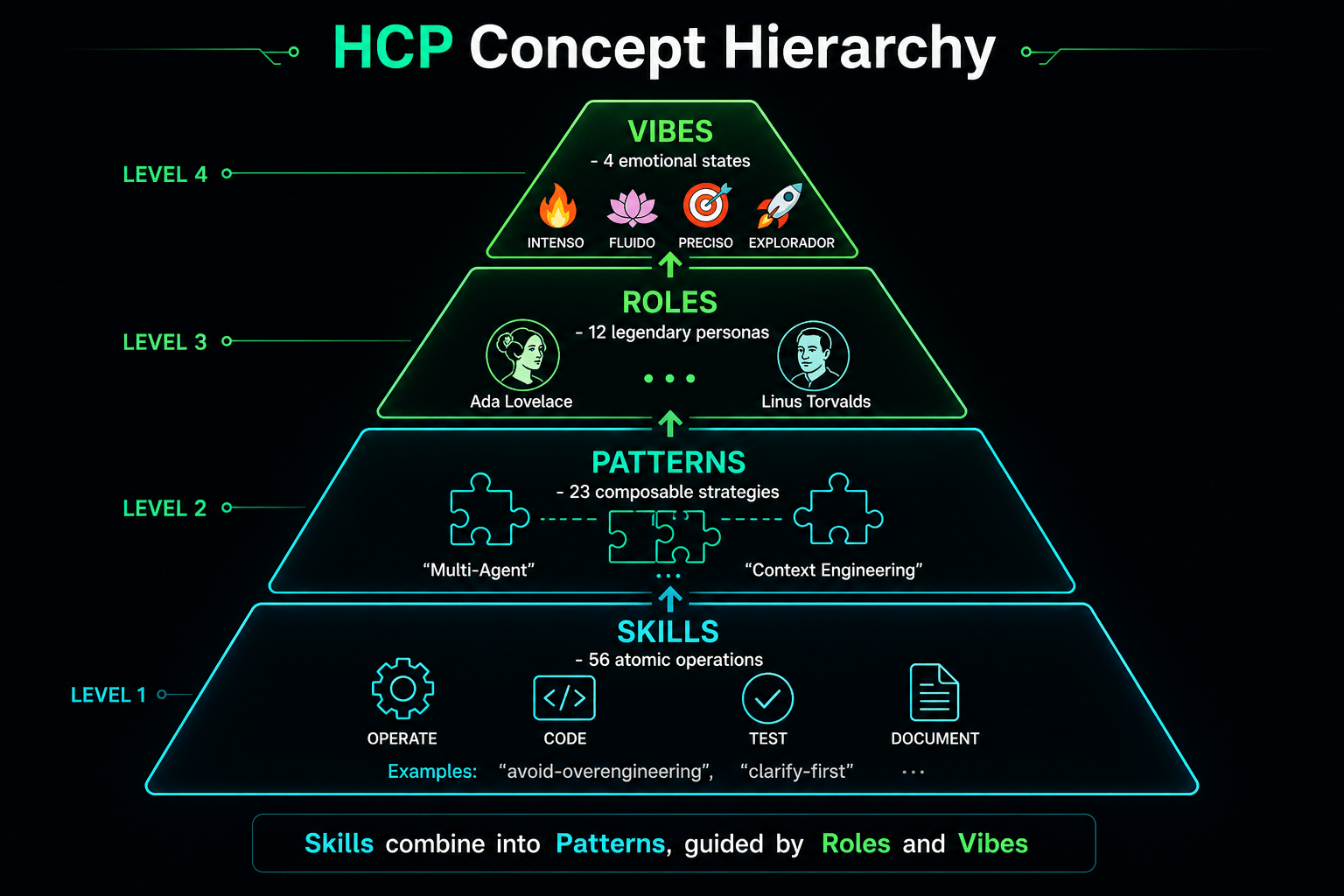
56 atomic operations: clarify-first, debug-memory-leak, etc.
23 composable strategies: Multi-Agent, Context Engineering
Agents with focused profiles for review and synthesis
Abstraction levels: Exploration, Design, Refactor, Audit
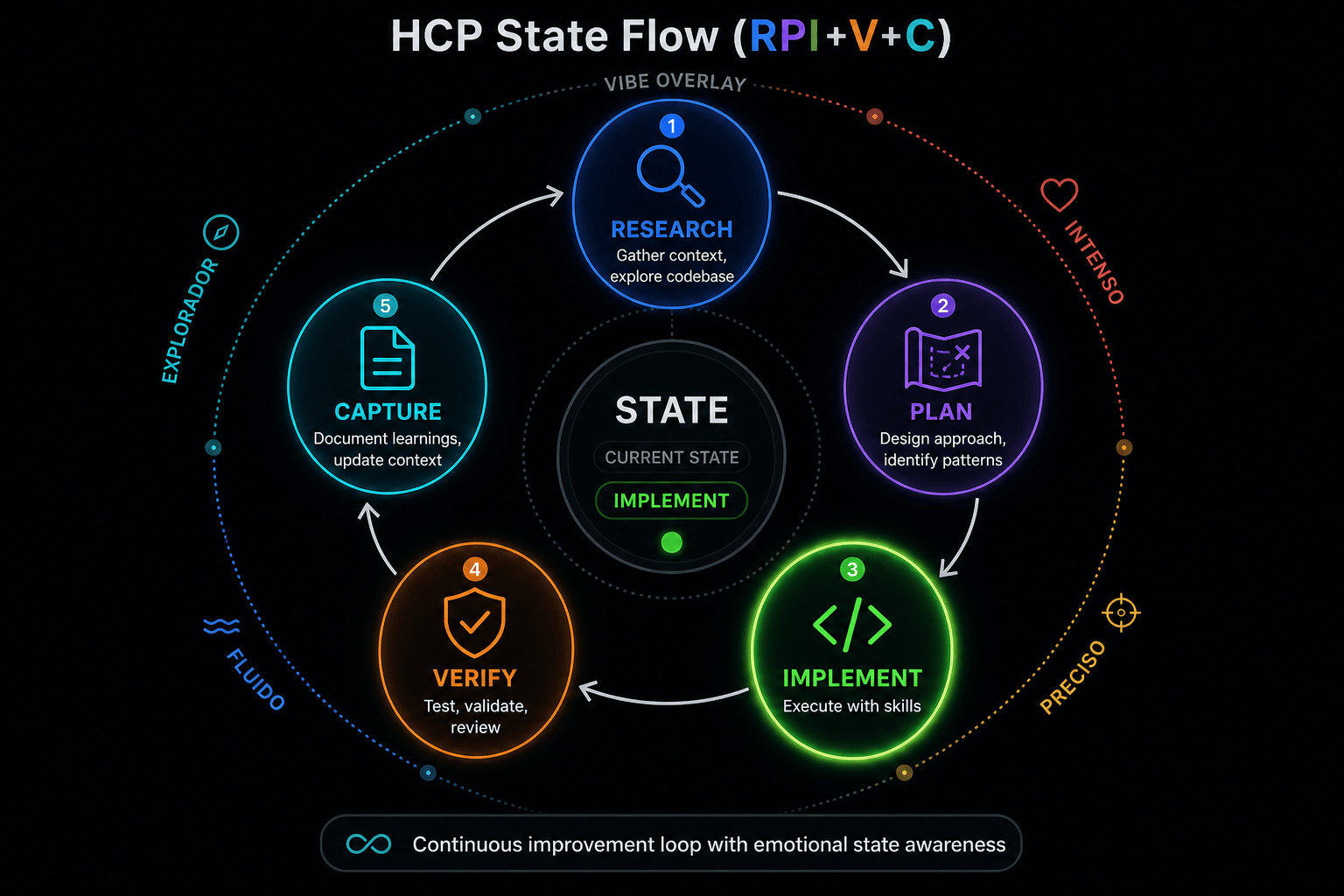
Four fundamental patterns that make HCP work
Structured directory hierarchy for features, planning, decisions, learnings, and sessions
.procontext/
├── 01-features/
├── 02-planning/
├── 03-decisions/
├── 04-learnings/
└── 06-sessions/
View Specification →
Research → Planning → Implementation → Completed states for features
Track feature progress explicitly in STATUS.md files
View Patterns →Validation → Evidence → Review → Iterate → Finalize → Yank pattern
Ensure quality through structured validation gates
View Patterns →Hierarchical context propagation from project to feature level
DRY principle applied to AI context management
View Patterns →From enterprises to solo developers
Banking, Healthcare, Legal — Context compliance, decision traceability, audit trails
Fast iteration with AI agents, persistent context, no knowledge loss on pivots
Multi-project workflows, AI pair programming, context management across sessions
ADRs, design docs, architectural decisions tracked and versioned
Production-ready and battle-tested
8+ months. 43 real projects. Measured results.
HCP just launched publicly. Be among the first to adopt it and share your results.
Setup HCP in your project right now
git clone https://github.com/haletheia/human-code-ai-protocol
cd your-project
hcp initAdd your project's context to .procontext/README.md
# Project Context
Stack: Node.js, PostgreSQL, Docker
Architecture: Microservices
Conventions: ESLint, PrettierSet up HCP integration in Cursor, Windsurf, Cline, Aider, or Codex
See integrations guide for IDE-specific setup
Your AI now has persistent context automatically. Create features, document decisions, track learnings.
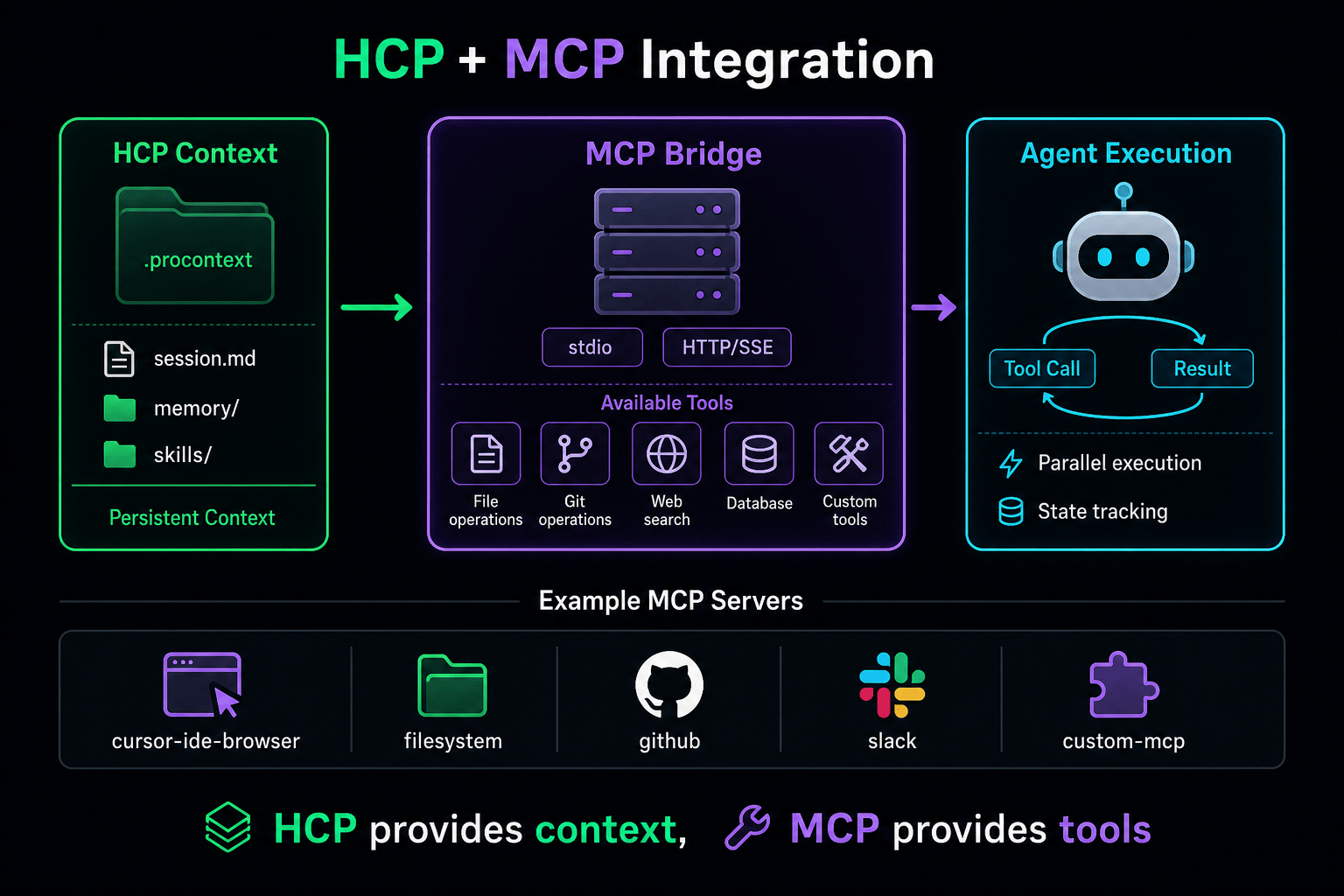
HCP provides context, MCP provides tools. Together they create more capable agents.
| HCP Context | MCP Bridge | Agent |
|---|---|---|
| .procontext/ | stdio / HTTP | Tool Calls |
| session.md | Available Tools | Parallel exec |
| memory/ | Git, Web, DB | State tracking |
HCP integrates seamlessly with the full security ecosystem
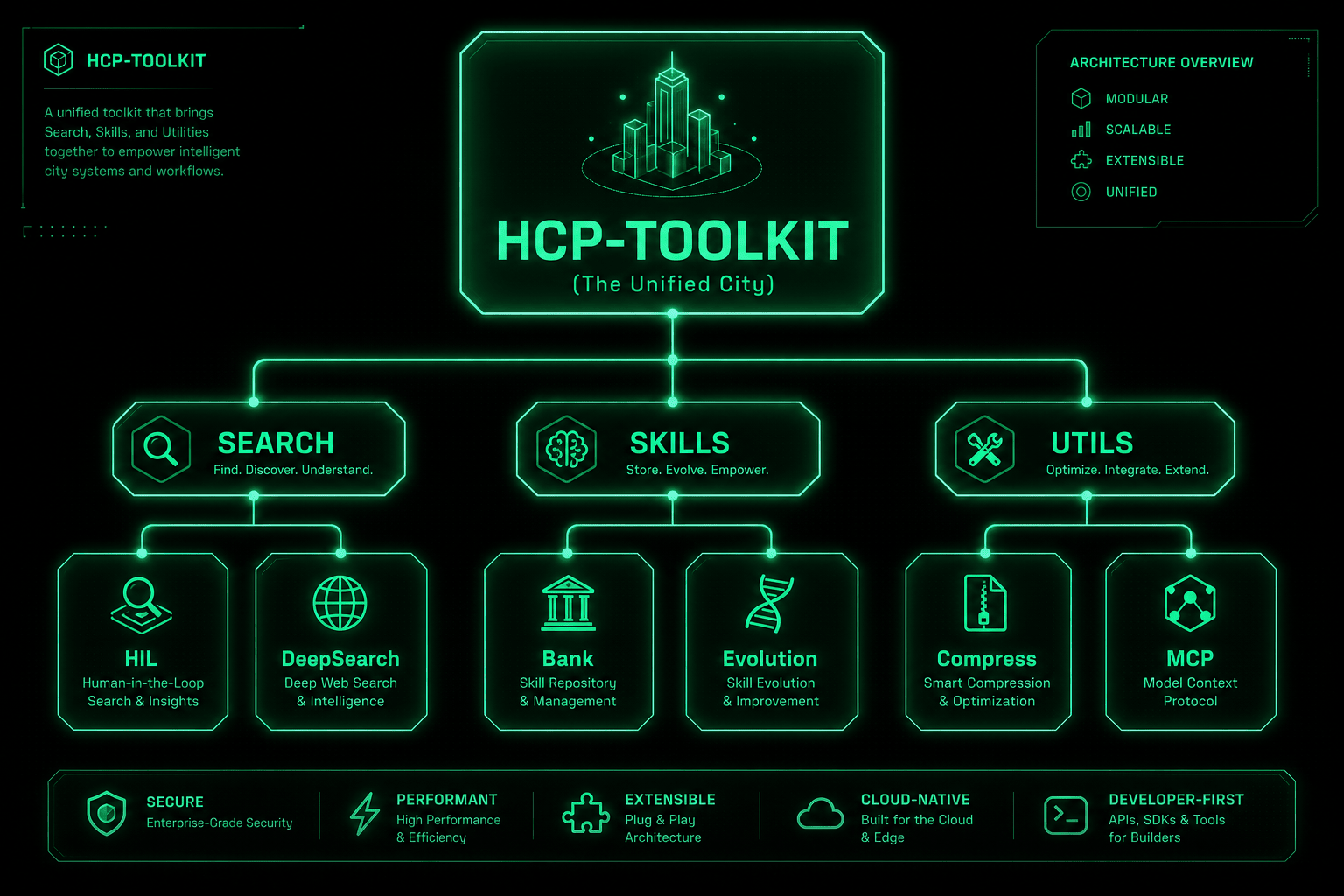
Documentation, code, and community
Full source code, templates, examples, and 43+ production projects
Complete technical docs: concepts, guides, reference, integrations, examples
56 professional skills for AI agents: development, architecture, DevOps, security
CLI tools, MCP server, observability, and search utilities
Join 43+ projects using HCP in production. Setup in 5 minutes.